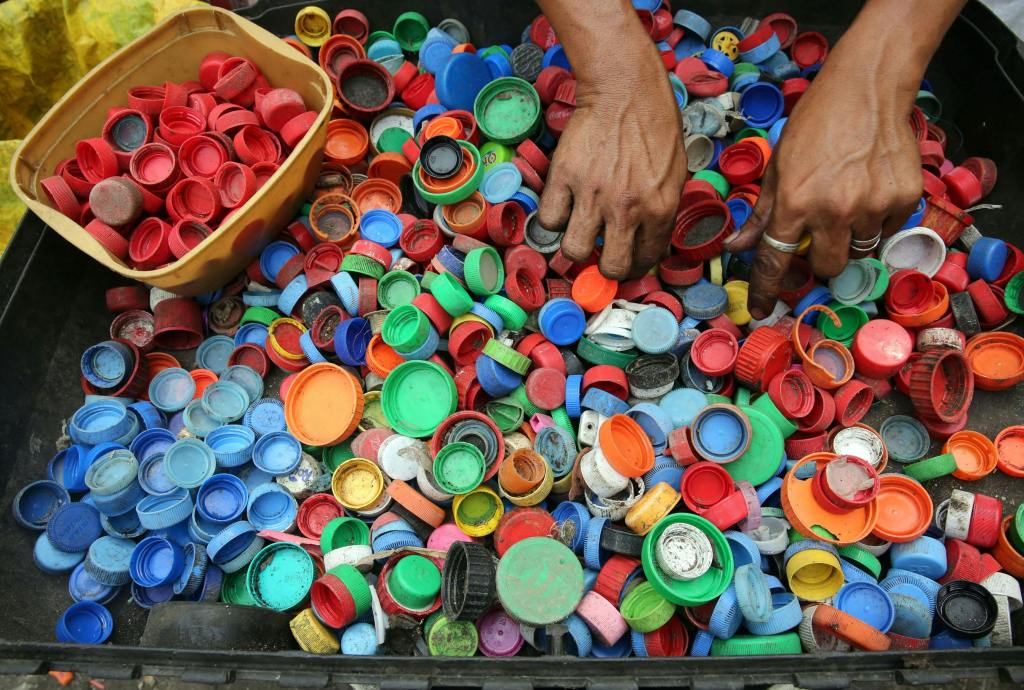
Ever tossed a plastic water bottle into the recycling bin and wondered what happens next? That clear plastic bottle is likely made of polyethylene terephthalate (PET), one of the most common plastics in our daily lives. It’s in your beverage containers, food packaging, and even some clothing. While you might feel good about recycling it, the journey from your bin to becoming something new is surprisingly complex.
The Nature of the Beast: Why PET Resists Recycling
When you look at a PET bottle, you’re seeing a material designed to last. And therein lies the first challenge. PET is an insoluble polymer with a hydrophobic and smooth surface—essentially, it repels water and doesn’t dissolve easily in common solvents. This quality makes it excellent for containing your soda but creates significant hurdles when we try to break it down.
PET’s durability and high resistance to natural degradation make recycling processes costly and energy intensive. The very properties that make it useful in our daily lives—strength, transparency, and resistance to degradation—work against us when it comes time to recycle.
Beyond the Bottle: Complications in the Recycling Process
The Contamination Conundrum
Before any PET can be recycled, it needs to be clean—really clean. Food residues, labels, and caps all need to be removed. Pretreatment is needed to remove additives from post-consumer plastic waste. In laboratory studies, a laccase enzyme could only reduce 3% of the weight of commercial HDPE (containing additives), while it achieved 33% weight reduction with pure HDPE under the same conditions. This stark difference highlights how additives complicate recycling.
Think about the last time you recycled a peanut butter jar. Did you wash it thoroughly? Many of us don’t, and that contamination can render entire batches of collected PET unusable.
Color and Clarity Issues
The clear PET bottle in your hand might become a murky, less valuable material after recycling due to mixing with colored plastics. Each time PET is processed, it typically loses quality—a phenomenon known as downcycling. This is why that recycled bottle is more likely to become carpet fiber than another bottle.
Breaking Through: Innovative Solutions in PET Recycling
The Promise of Biorecycling
Scientists are developing enzymes to break down PET at the molecular level. These biological catalysts can potentially transform plastic waste back into its original building blocks, which can then be used to make new, high-quality PET products.
However, there’s a catch. PET hydrolases often possess large hydrophobic surfaces to assist themselves in binding the PET surface, which results in dramatically reduced free enzymes and incomplete degradation of dissolved BHET and MHET (the chemical components of PET). Simply put, the enzymes get stuck to the plastic and can’t finish the job efficiently.
Advanced Mechanical Recycling
New technologies are improving traditional mechanical recycling. Special washing processes and better sorting technologies help produce cleaner PET pellets—the raw material used to create new plastic products. These advancements are gradually increasing the percentage of recycled PET that can go back into food-grade packaging.
Debunking Recycling Myths
Despite the challenges, it’s a misconception that PET isn’t worth recycling. Every PET bottle recycled saves energy and reduces landfill waste. While perfect circularity remains elusive, the PET sustainability movement is making progress.
And contrary to popular belief, recycling PET is technically possible—it’s the economic and logistical barriers that need solving, not fundamental chemistry.
The plastic bottle you recycle today might become part of your fleece jacket tomorrow or the carpet beneath your feet. That’s value recaptured and environmental impact reduced.
Next time you finish a drink, remember that little bottle has potential beyond its first use. By understanding the challenges of PET recycling, we can advocate for better systems and make more informed consumer choices. Every step toward sustainability matters, even the small ones.
 Genessin Official Blog