
From your soda bottles to food containers, PET is everywhere in our daily lives, and finding sustainable ways to recycle it matters more than ever. Because not all PET plastic is created equal, and recycling it isn’t as straightforward as we’ve been led to believe. But don’t toss your water bottle into the guilt bin just yet. A quiet revolution is brewing in the world of recycling, and it involves something you’d never expect: enzymes. Let’s dive into the wild world of PET recycling, where science is turning yesterday’s trash into tomorrow’s treasure.
The PET in Your Life (And Why It Matters)
PET—or polyethylene terephthalate—is the MVP of plastics. It’s in your soda bottles, salad containers, and even that polyester shirt you love. Lightweight, durable, and cheap, PET is everywhere. But here’s the catch: only about 29% of PET gets recycled in the U.S., and even that number hides a dirty secret. Some PET, like colored bottles or mixed-material packaging (think chip bags with metallic linings), is notoriously hard to recycle using traditional methods. Enter biorecycling—a sci-fi-sounding solution that’s very real—and it’s changing the game.
Enzymes to the Rescue: Nature’s Plastic-Eaters
Picture Pac-Man, but instead of gobbling dots, it’s chomping plastic. That’s essentially what enzymes do in biorecycling. Scientists have engineered supercharged enzymes (called PETases) that break PET down into its building blocks, which can then be spun into brand-new PET pellets—the raw material for fresh plastic products. This isn’t just recycling; it’s upcycling. Unlike mechanical recycling, which melts plastic (downgrading its quality each time), biorecycling keeps the material’s integrity intact. It’s like hitting a “reset” button on plastic.
But here’s the plot twist: enzymes need a little help to work their magic.
The Pretreatment Puzzle: Why PET Needs a Makeover
Pretreatment is the unsung hero of biorecycling. Think of it like prepping a stubborn stain before washing—you soak it, scrub it, maybe even blast it with heat. For PET, pretreatment modifies its structure so enzymes can attack it more effectively. As one expert put it, pretreatment “increases [PET’s] susceptibility to enzymatic degradation” by altering its physical or chemical nature. Without this step, enzymes would bounce off PET like raindrops on a raincoat.
But not all pretreatments are created equal. Traditional methods, like mechanical grinding or dunking PET in sodium hydroxide, have dirty downsides. They’re energy hogs, produce harmful chemicals, and jack up the cost of recycled PET. Worse, they’re rough on the environment, contributing to issues like resource depletion and pollution.
Breaking the Mold: Smarter Ways to Pretreat
Here’s where innovation kicks in. Scientists are ditching outdated methods for smarter solutions, together with other novel methods:
- Microwave Pretreatment: Zap PET with microwaves (yes, like your popcorn gadget) to break it down faster. Pair this with enzymes, and you’ve got a rapid depolymerization party.
- Melt Processing: Heat PET until it’s molten, making it easier for enzymes to digest. It’s like softening a tough steak before serving.
- Hydrothermal Liquefaction: Fancy term, simple idea—use water and heat under pressure to pretreat plastic. Eco-friendly and efficient.
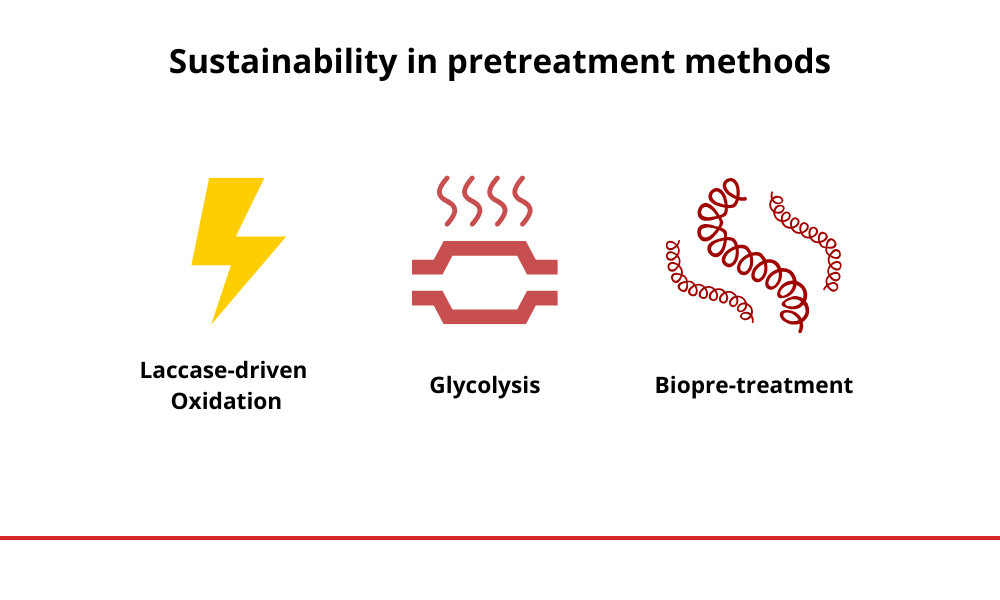
These methods cut energy use, reduce chemical reliance, and make biorecycling scalable. Translation: cheaper, greener recycled PET pellets.
Genessin’s job, make it more easier and sustainable
Genessin’s role is to enhance the intelligence and ease of the process, with the objective of promoting sustainability and reducing the cost of recycling. These efforts provide a viable solution for creating a better future and offering more sustainable products, while avoiding practices that are known to be limited or unsustainable.
We process PET that is not easily recoverable or deemed unvaluable to create raw materials for a range of industries, including the beverage industry. We employ sustainable methods in the pretreatment and processing stage to produce materials that were previously considered uneconomical.
The Bigger Picture: Why This Matters to You
PET sustainability isn’t just about saving turtles (though that’s a great perk). It’s about closing the loop on plastic waste, reducing our reliance on fossil fuels, and creating a circular economy. Biorecycling isn’t a silver bullet—yet—but it’s a giant leap forward. Companies like Carbios and Loop Industries are already scaling these technologies, turning old PET into shiny new products.
So next time you toss a bottle into the recycling bin, remember: science is working overtime to give it a second life. And you? You’re part of the solution.
 Genessin Official Blog