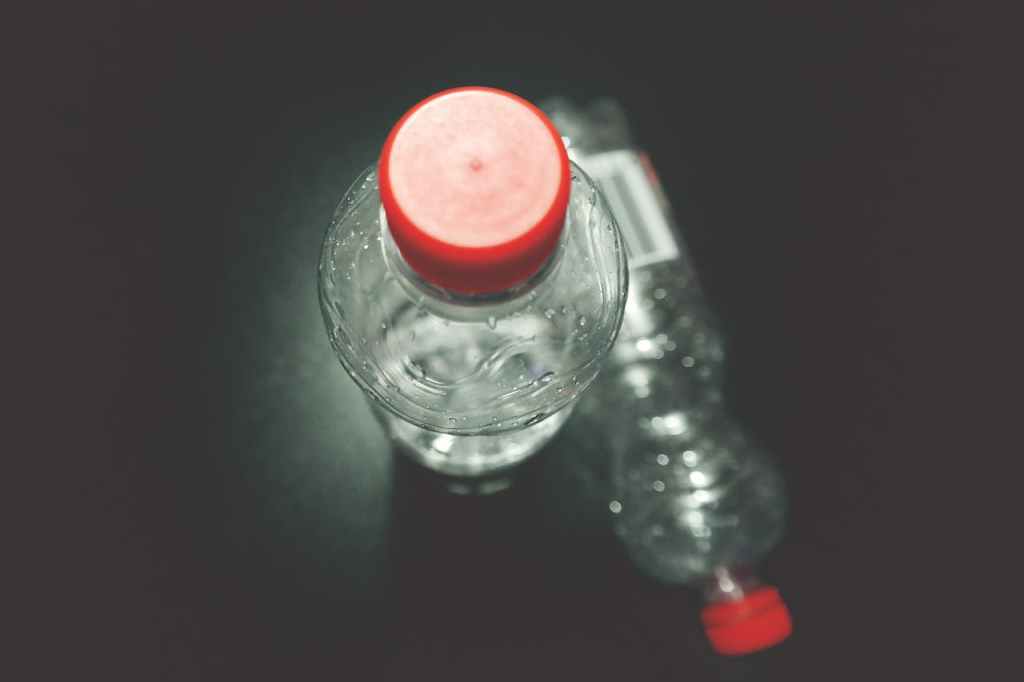
Ever walked through your kitchen and noticed just how many plastic bottles and containers surround you? Chances are, most of them are made from PET (polyethylene terephthalate) – that clear, strong plastic that’s become an unavoidable part of our daily lives. But here’s the kicker: while we’re busy hydrating ourselves with bottled water or grabbing that quick salad in a PET container, mountains of this persistent plastic are piling up worldwide, creating an environmental challenge that’s becoming impossible to ignore.
The PET Problem: More Than Meets the Eye
You might think PET is just another plastic, but it’s actually a bit of a paradox. Its durability – the very quality that makes it perfect for packaging – is also what makes it a headache for our planet. PET’s resistance to natural degradation means those water bottles you used last summer could still be hanging around in landfills long after your great-grandchildren are born. And with only a small percentage of plastic materials, including PET, currently being mechanically recycled, we’re facing a serious waste management crisis.
Why Traditional Recycling Isn’t Enough
Let’s bust a myth right now: PET is actually highly recyclable. The problem isn’t the material itself – it’s our recycling methods that need an upgrade. Traditional mechanical recycling, while valuable, can only take us so far. Each time PET is recycled this way, its quality gradually decreases, limiting how many times we can reuse it. Plus, some PET products, like those pesky colored bottles or multi-layer packaging, are particularly hard to recycle using conventional methods.
The Bio Revolution in PET Recycling
Here’s where things get exciting. Scientists have discovered something that could change the game entirely: enzymes that can break down PET into its basic building blocks. Think of these enzymes as nature’s recycling superheroes – they can completely decompose PET plastic, allowing it to be rebuilt into brand new, high-quality materials. This process, known as biorecycling, is like pressing a reset button on plastic waste.
From Waste to Worth: The Circular Economy Connection
When we recycle PET effectively, whether through traditional or biological methods, we’re doing more than just reducing waste – we’re embracing circular economy principles. Every PET pellet we recycle means less crude oil needed for new plastic production. It’s a win-win: we reduce our dependence on fossil fuels while keeping existing materials in use for longer.
The implications are huge. Improved PET recycling options could help establish a circular plastic bioeconomy, where waste becomes a valuable resource rather than an environmental burden. We’re talking about a future where your empty shampoo bottle could become part of a new car dashboard or even high-tech clothing.
Innovation on the Horizon
The technology for better PET recycling exists and is improving every day. From enhanced sorting systems that can better identify different types of PET to groundbreaking enzymatic processes that can handle previously unrecyclable materials, we’re witnessing a revolution in how we deal with plastic waste. These innovations couldn’t come at a better time, as the escalating volume of PET waste in our terrestrial ecosystem poses significant global health risks.
The journey from your recycling bin to a new product is becoming more efficient and effective than ever before. While the current statistics might seem discouraging – with only a small percentage of PET being recycled globally – the technologies and systems being developed today are paving the way for a more sustainable tomorrow.
The power to change our planet’s plastic problem isn’t just in the hands of scientists and manufacturers – it’s in yours too. Every time you toss a PET bottle in the recycling bin instead of the trash, you’re contributing to a larger movement toward sustainability. Together, we can transform our relationship with plastic from a linear take-make-dispose model to a circular one that keeps materials in use and out of our environment.
Want to stay updated on the latest developments in sustainable materials and recycling innovations? Hit that subscribe button below and follow us on Social media. Join our community of forward-thinkers who are helping to shape a more sustainable future, one piece of plastic at a time.
 Genessin Official Blog
Leave a Reply